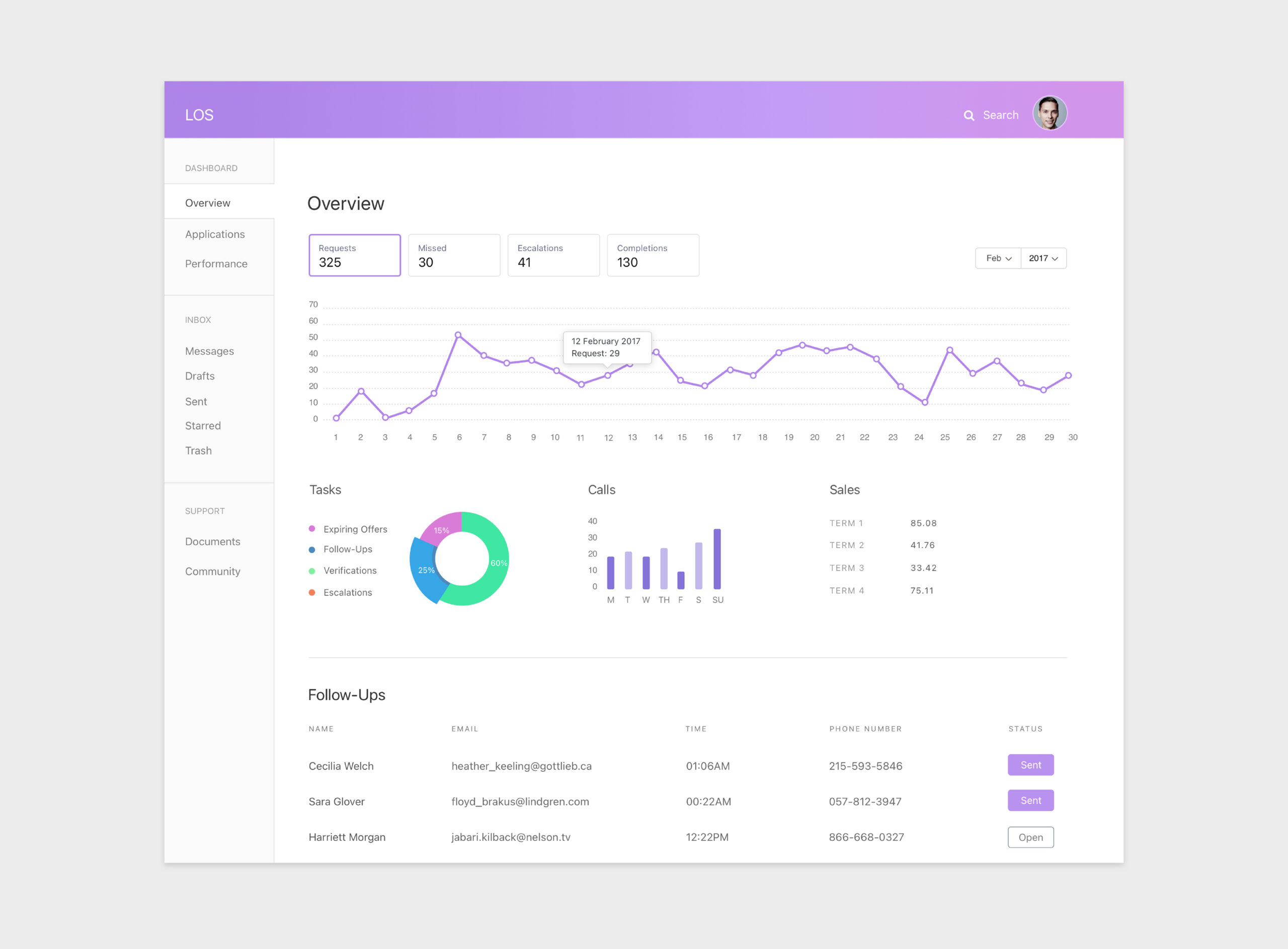
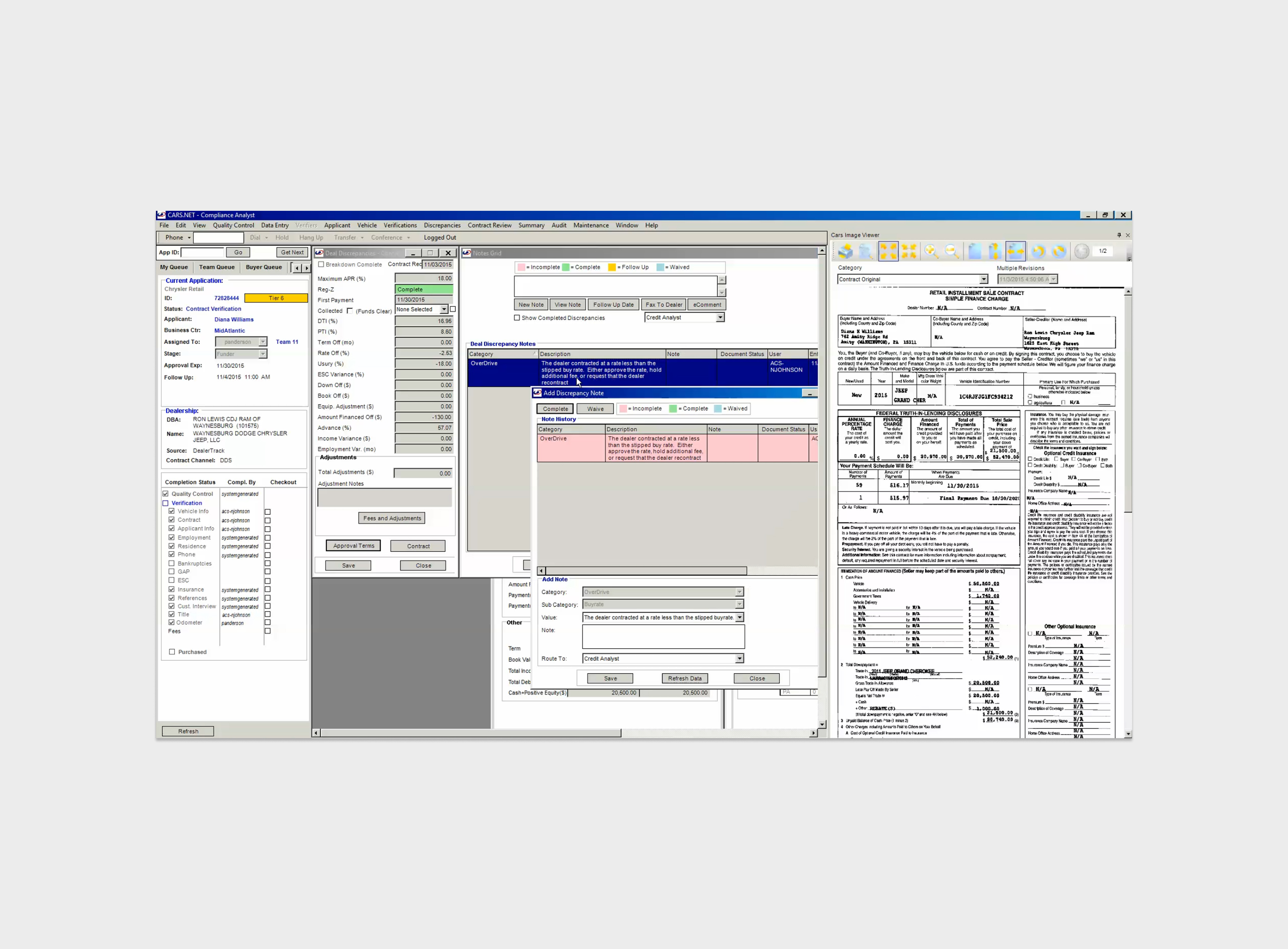
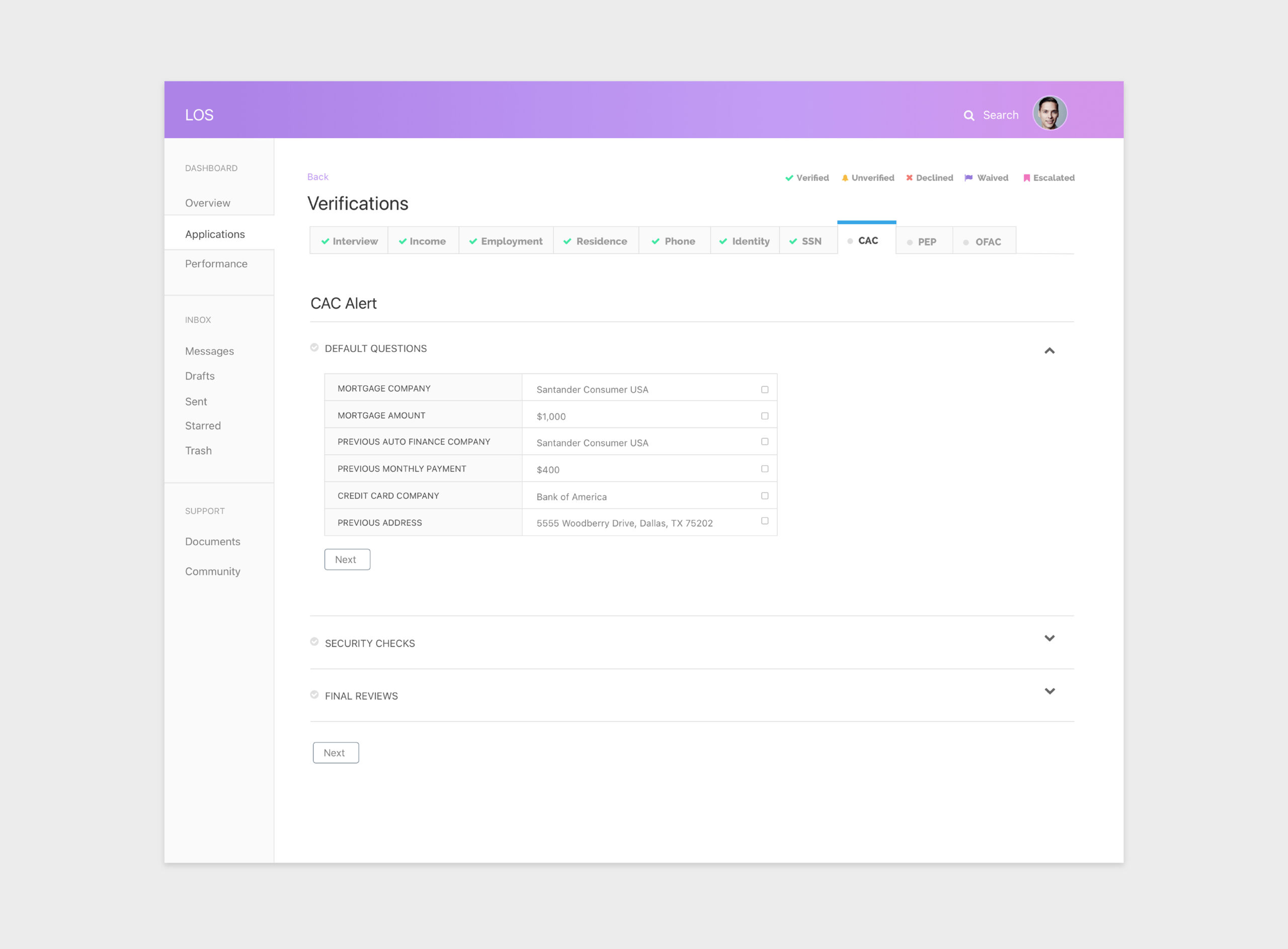
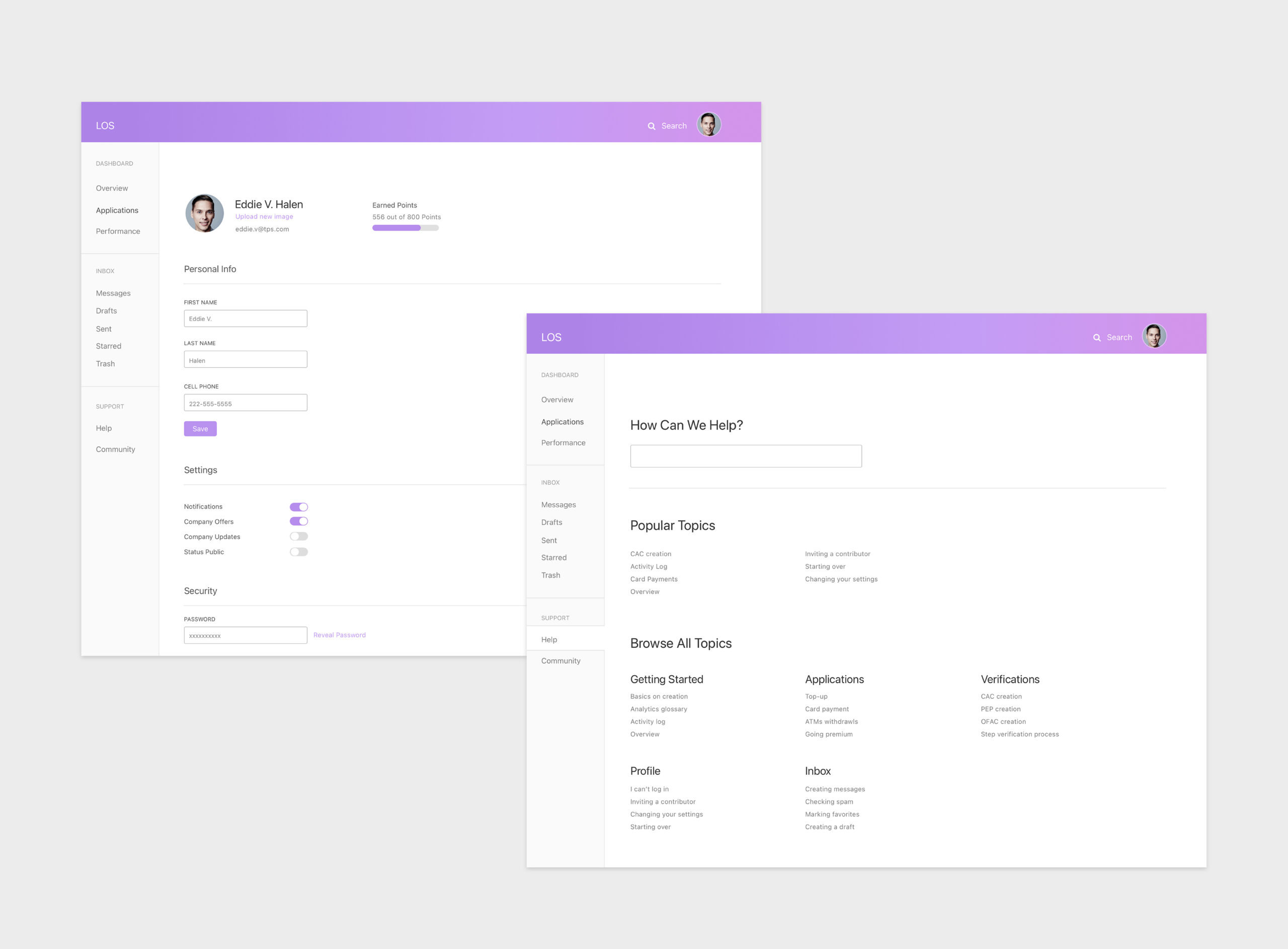
The Loan Origination System (LOS) lets agents review applications, verify documents, and approve loans. Built on outdated WPF software, it was slow, cluttered, and hard to navigate, with redundant features and poor onboarding. I redesigned it for a new web-based platform to improve efficiency and usability.
The goal was to migrate LOS to a responsive, web-based system that simplifies navigation, improves information hierarchy, adds a real-time dashboard, and streamlines workflows—all within a four-month timeline. Remove unused features to reduce training time and keep agents focused on core tasks.
UX Process
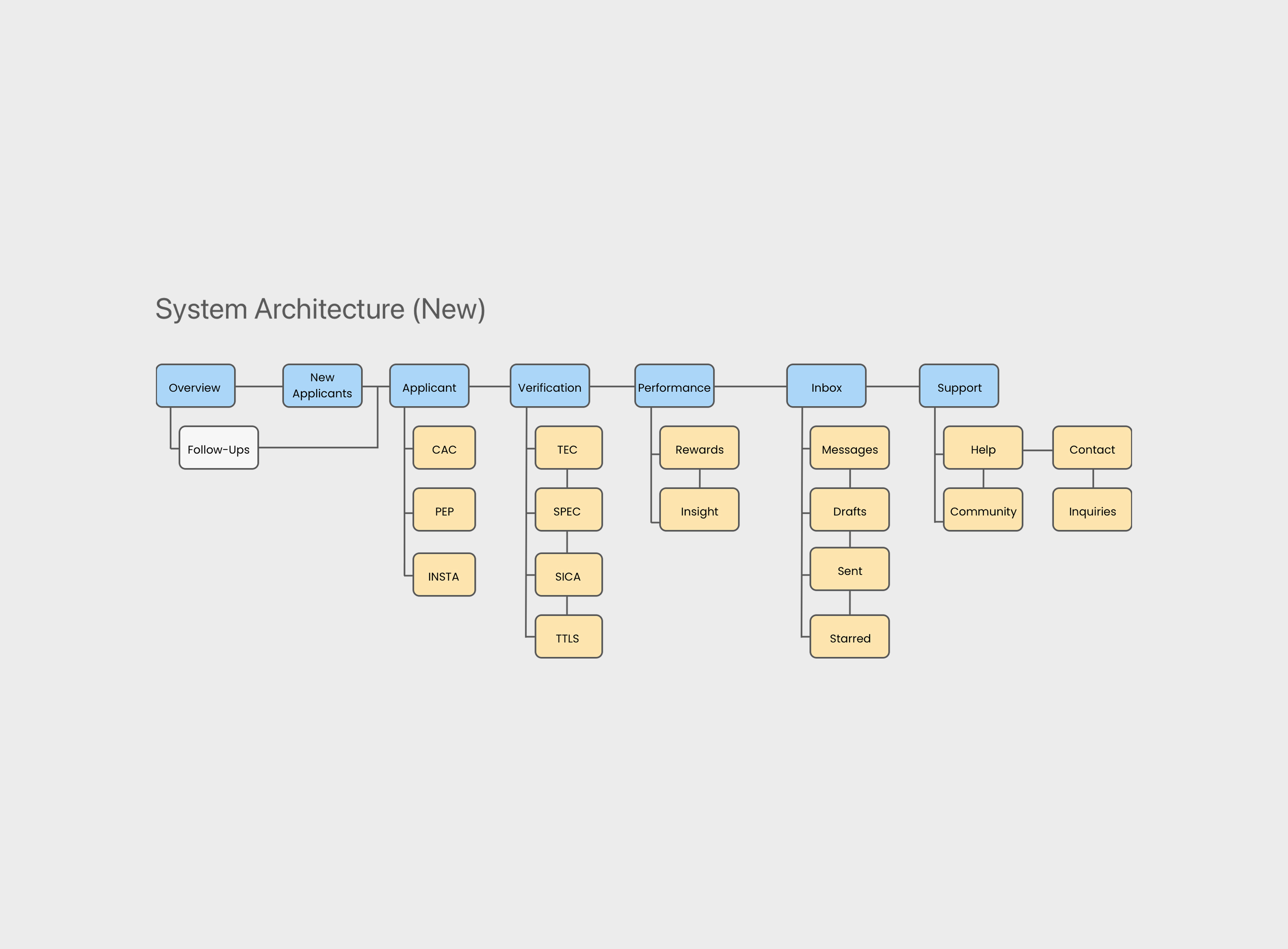
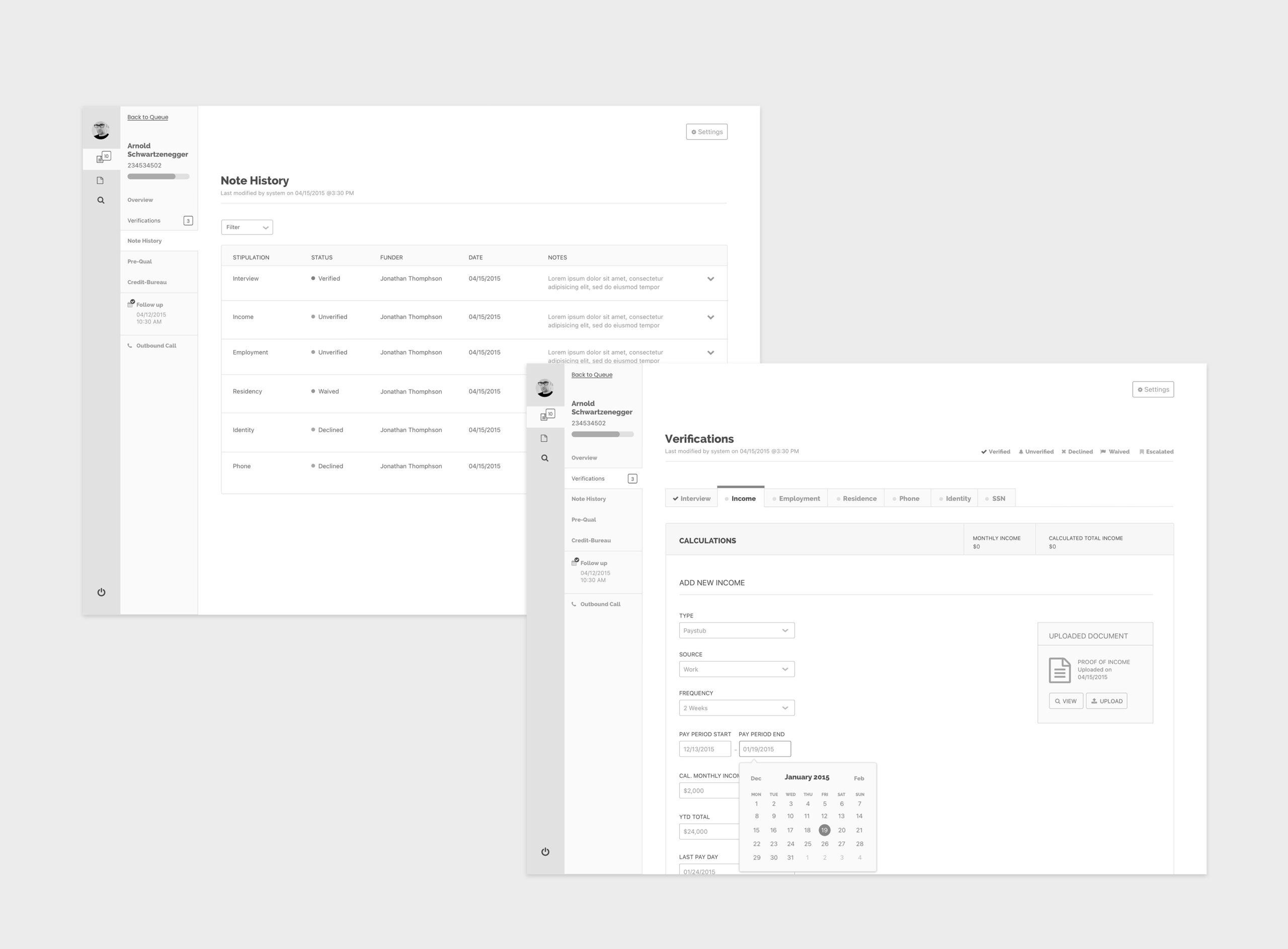
I conducted a heuristic evaluation, user interviews, and information architecture mapping to uncover pain points and restructure workflows. I created wireframes and interactive prototypes to validate designs before high-fidelity handoff, resulting in faster navigation, easier onboarding, and improved decision-making for agents.
How it was improved
The legacy LOS was dense and fragmented, forcing agents to navigate multiple panels and rely on manual workarounds to complete routine tasks. The redesign focused on simplifying workflows and reducing cognitive load.
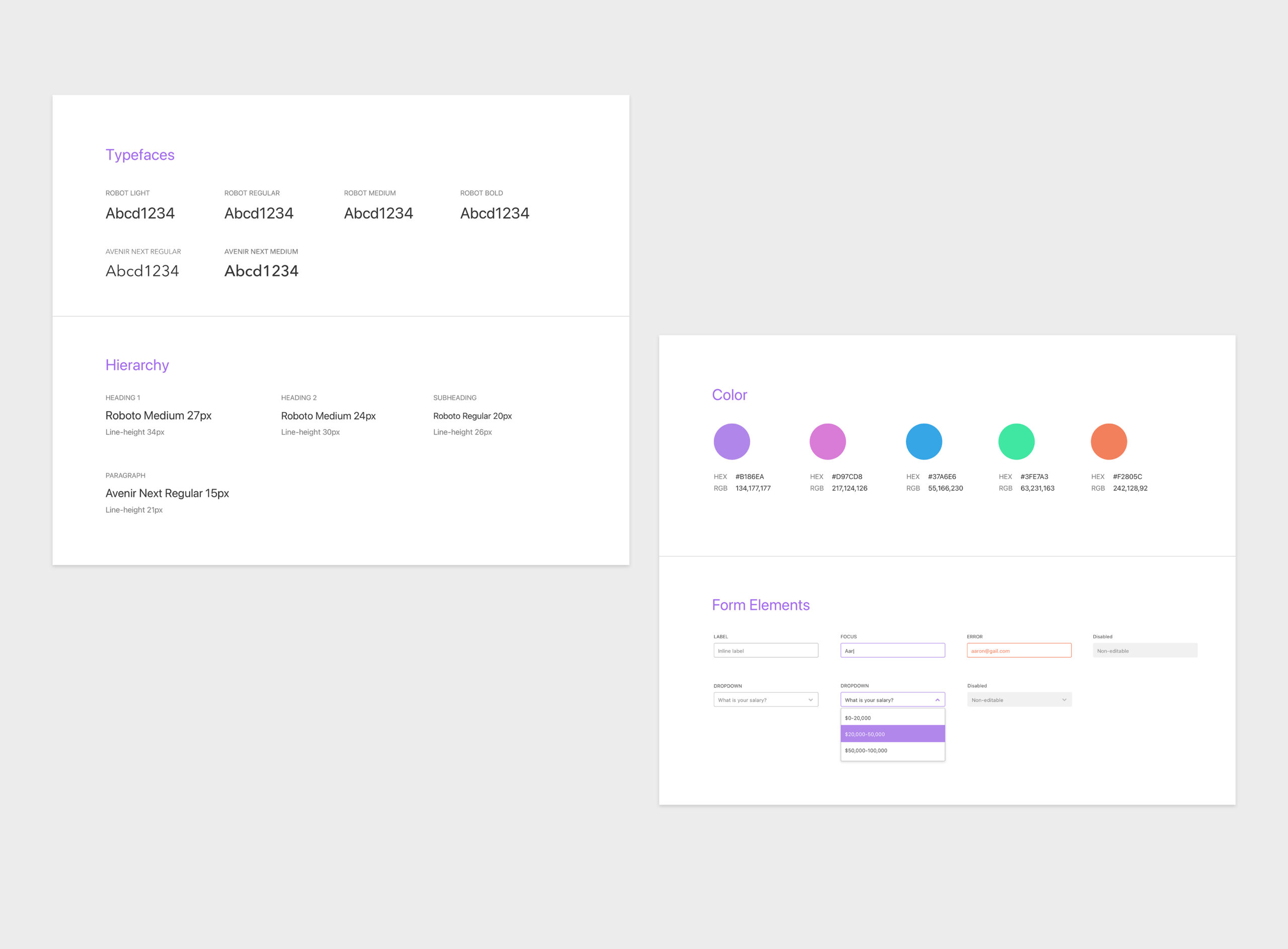
We reorganized the information architecture around high-frequency actions, consolidated scattered functionality into guided flows, and introduced clearer visual hierarchy with progressive disclosure. Repetitive actions were streamlined through contextual tools and inline editing, reducing unnecessary navigation.
The system was modernized from WPF to a scalable web-based experience built for speed, clarity, and efficiency.
Outcomes
The redesign reduced friction in high-volume loan review workflows and improved overall agent efficiency by simplifying complex screens and minimizing task switching. By consolidating fragmented panels into focused flows and introducing real-time visibility into application status, the system enabled faster decision-making and better workload prioritization. The web-based migration also positioned the platform for long-term scalability and future enhancements.
Privacy Settings
We use cookies to enhance your experience while using our website. If you are using our Services via a browser you can restrict, block or remove cookies through your web browser settings. We also use content and scripts from third parties that may use tracking technologies. You can selectively provide your consent below to allow such third party embeds. For complete information about the cookies we use, data we collect and how we process them, please check our Privacy Policy